
News
Stay up to date with the latest news and updates.
News
 Blogs
Secure login starts with 2FA
A secure account starts with good security.
A strong password is an important first step, but it does not always provide sufficient protection. If someone manages to discover your password, they may try to access your account. That is why we recommend enabling two-factor authentication (2FA). This adds an extra layer of security to your account and reduces the risk of unauthorized access.
What is two-factor authentication (2FA)?
With two-factor authentication, you confirm your identity in two different ways when you log in. In addition to your usual username and password, you complete a second verification step. This means that someone with only your login credentials cannot simply access your account. So even if your password falls into the wrong hands, 2FA provides extra protection.

How does two-step verification work in practice?
With two-step verification, you confirm your identity in two separate steps. The first step is entering your username and password. The second step is an additional check, such as a verification code.
- Enter your username and password.
- Receive a verification code or generate one using an authenticator app.
- Enter the code to confirm your identity.
- Once verification is successful, you can access your account.
The extra step takes very little time, but makes an important difference to the security of your account.
What if you no longer have access to your verification method?
Do you use an authenticator app on your phone? If so, it is important to prepare for situations in which you temporarily cannot access this device. For example, you might lose your phone, it might stop working, or you might switch to a new smartphone.
Make sure you know in advance what recovery options are available. Store any recovery codes in a safe place, and contact your organization’s administrator or support department if you have problems. Never share your verification codes or recovery information with others.
Working together for digital security
At Intermix, the security of our software and our customers’ data is our top priority. We remain committed to securing our solutions, which is why we offer the option to set up two-factor authentication.
Our advice? Use it!
By enabling 2FA, you too can help create a more secure digital work environment.
How do you set up 2FA?
You can easily enable 2FA yourself through your user account settings.
Follow the steps below:
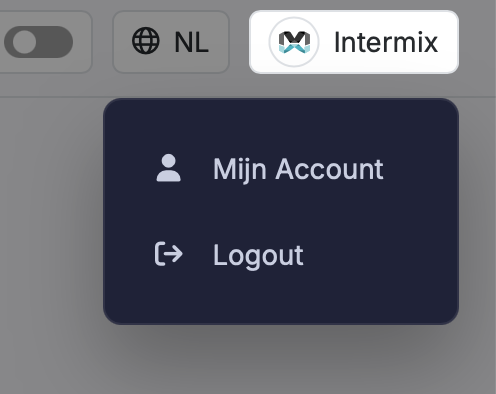
1. Click your account name in the top right corner.
2. Select My Account from the menu.
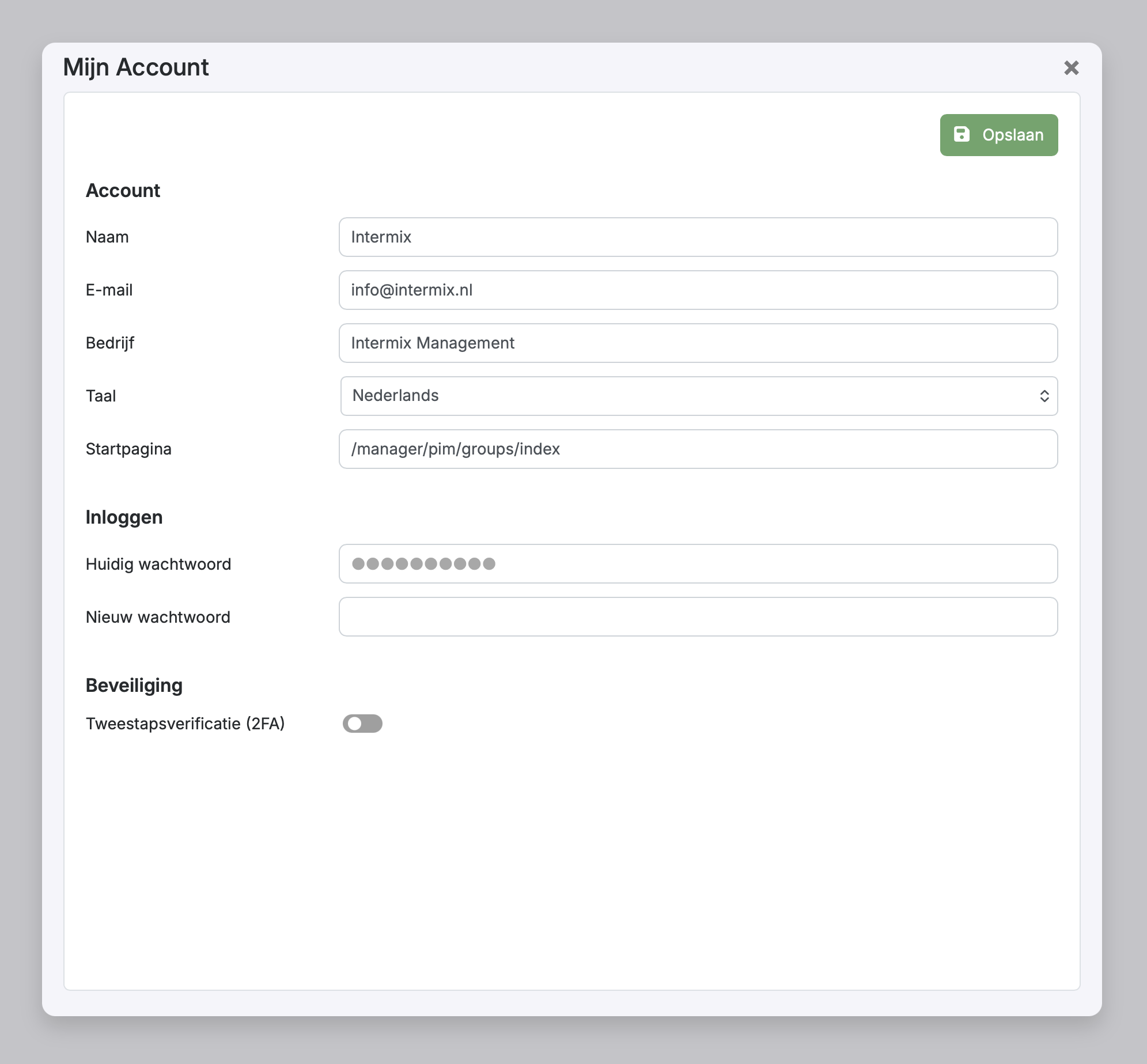
3. In the account window, go to the Security section.
4. Enable the Two-step verification (2FA) option.
5. Open an authenticator app on your phone, such as Google Authenticator or Microsoft Authenticator.
6. Scan the QR code with your authenticator app. Alternatively, you can enter the displayed key manually.
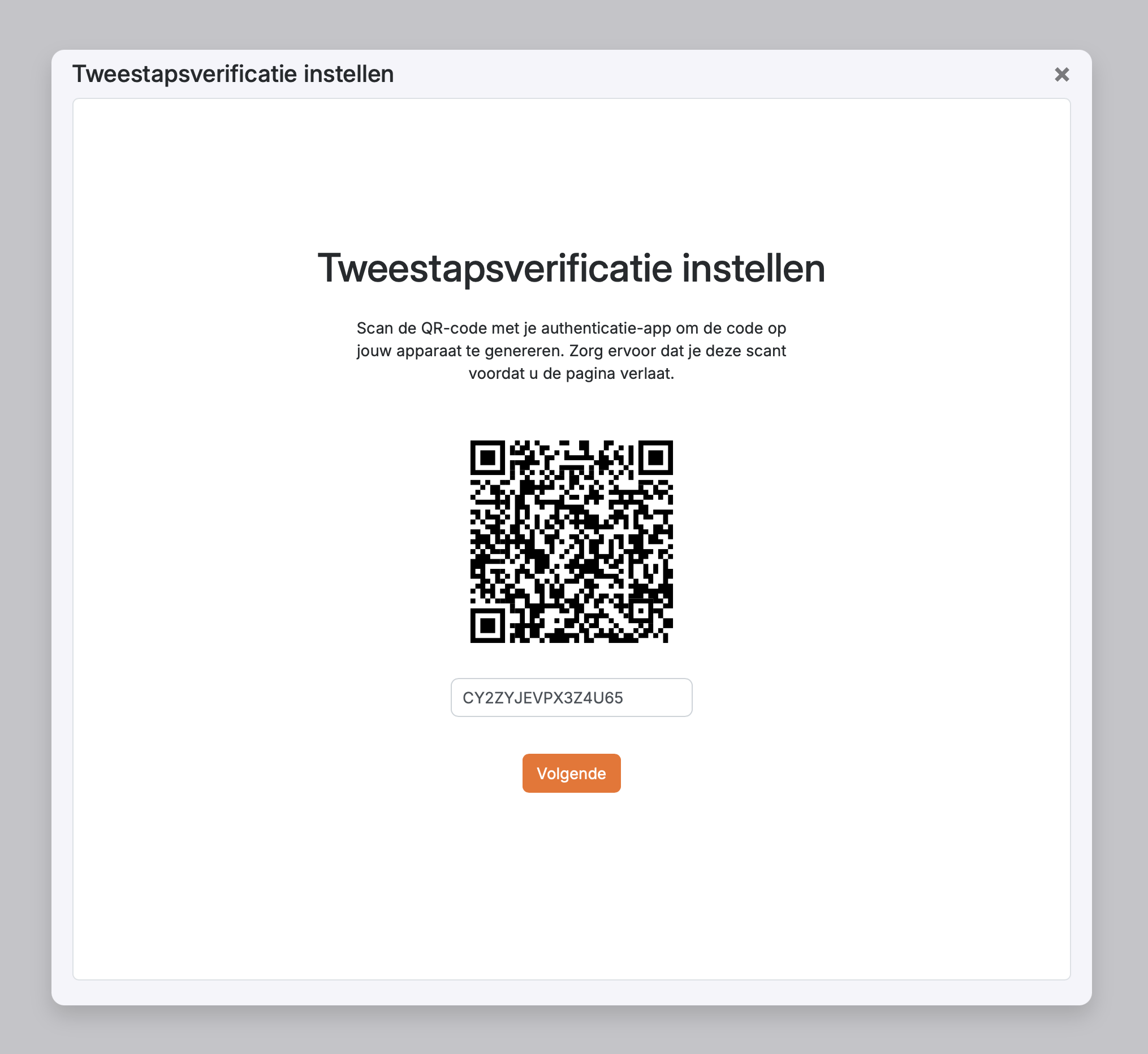
7. Click Next. A field will appear where you can enter the 6-digit verification code from your authenticator app.
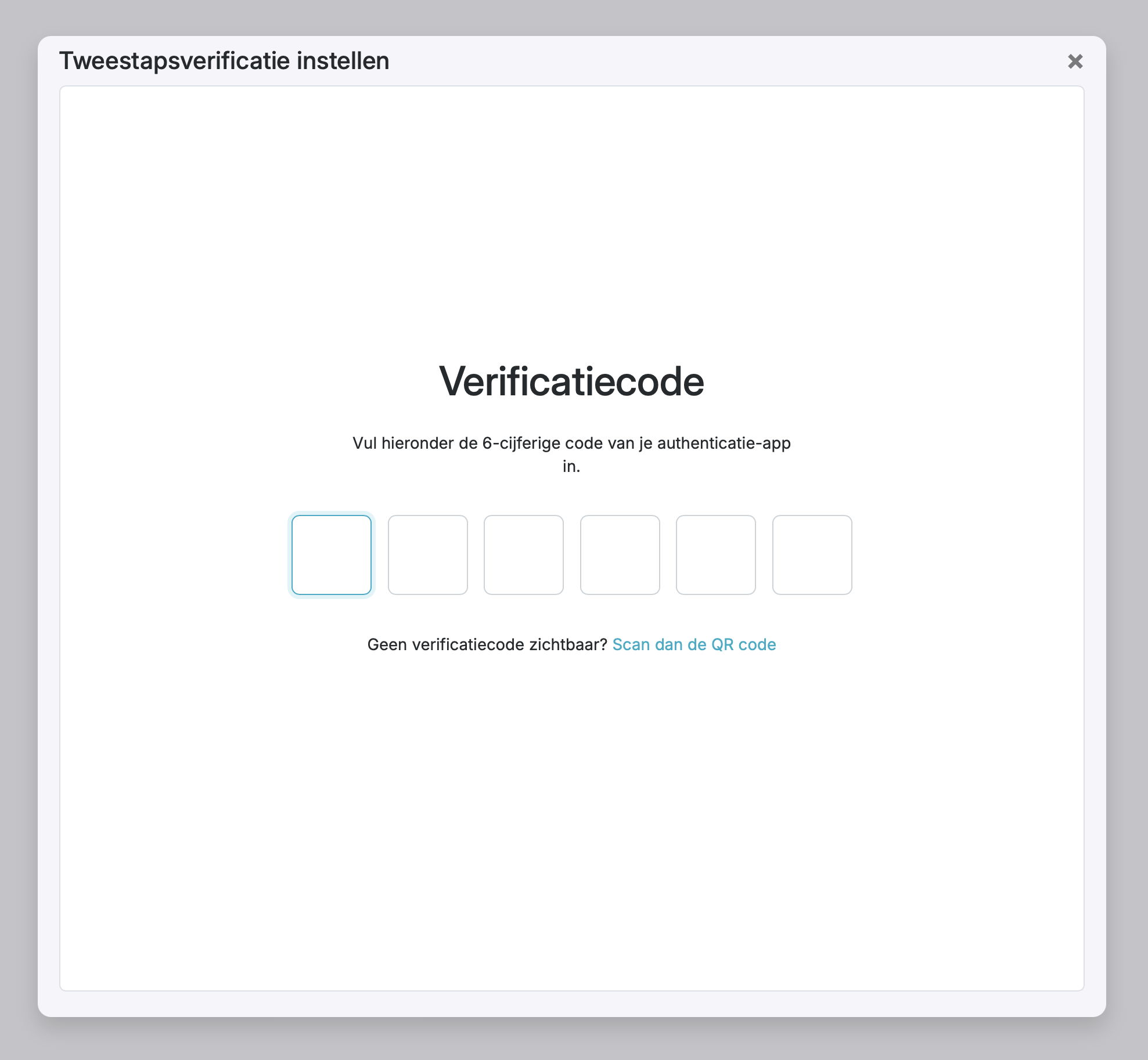
8. Click Save to activate two-step verification (2FA).
From now on, each time you log in, you will be asked to enter the verification code from your authenticator app as well as your password.
 4-11-2026
 Reading time
 Features
Pimmix version 3.0 released
The update includes new features, expanded capabilities for existing tools, and various technical optimizations. This makes it easier to manage product data and tailor it to your organization's needs.
Better visibility and smarter workflows
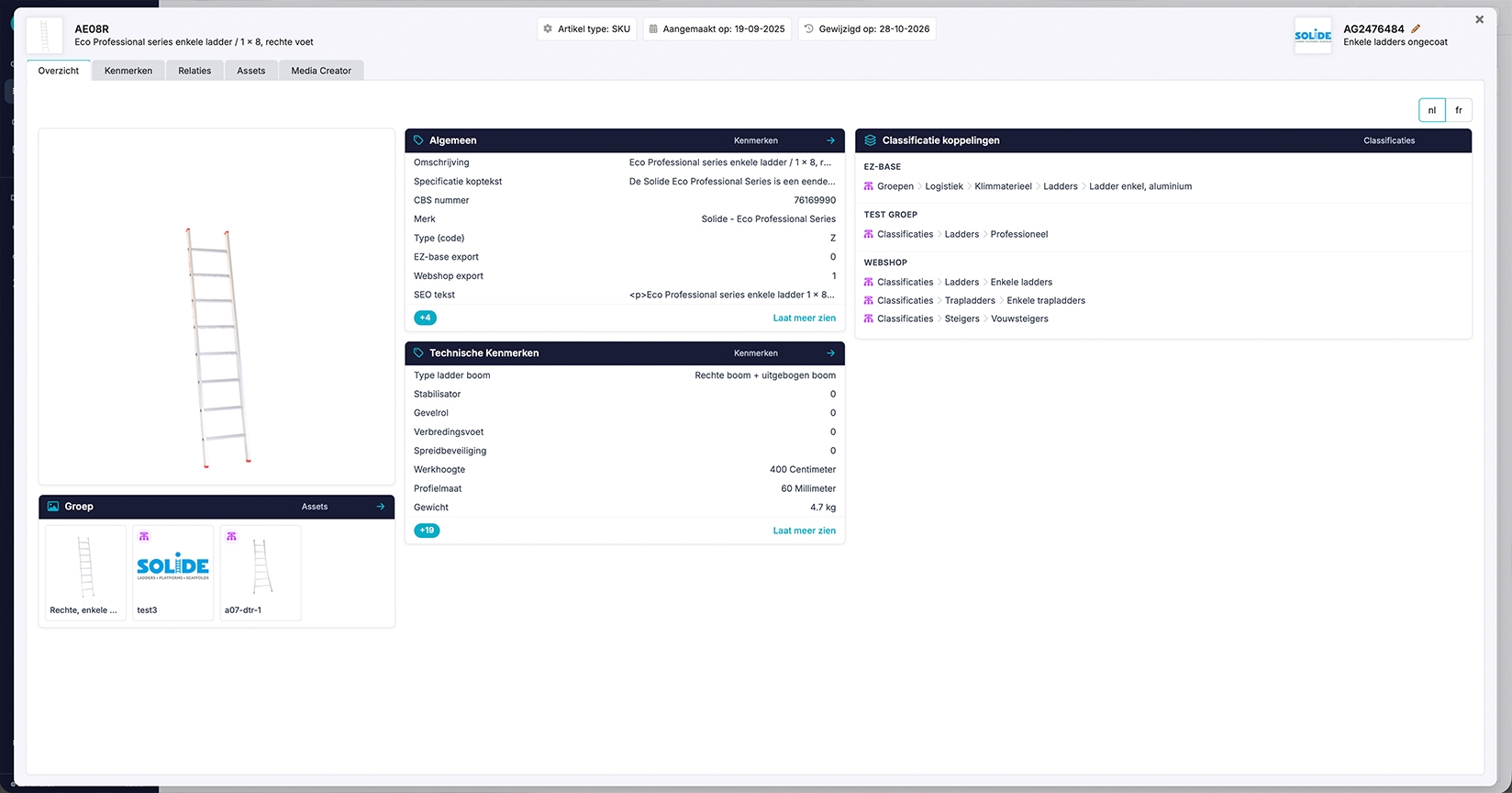
The Pimmix interface has a fresh, modern look. With updated navigation and improved overviews, you can find what you need more quickly. Several features have also been expanded to make working with large amounts of product data easier.
For example, you can export items more flexibly, choosing which attributes, languages, and units to include. The new SKU matrix also provides a clear way to view and edit linked product variants.
Expanded AI and integration capabilities
AI enrichment capabilities have also been expanded. You can now use AI for bulk edits across multiple classifications, allowing you to fill in product attributes more efficiently.
Pimmix 3.0 also includes several new capabilities, including a Shopify integration and export to the DGE DR3 format. Mediacreator has been expanded to let you compile complete product catalogs and generate them as PDFs. The PIM API has also been improved so external systems can write item attributes directly to Pimmix.
In addition to these new features, existing components have been improved and various technical optimizations have been made.
Discover Pimmix 3.0
With this update, we're taking further steps to make product data management clearer, more flexible, and more efficient. We continue to develop Pimmix to help organizations centrally manage and enrich their product information.
Curious about all the new features and improvements?
29-10-2026
Reading time
 News
The EU digital product passport is coming
What is the Digital Product Passport?
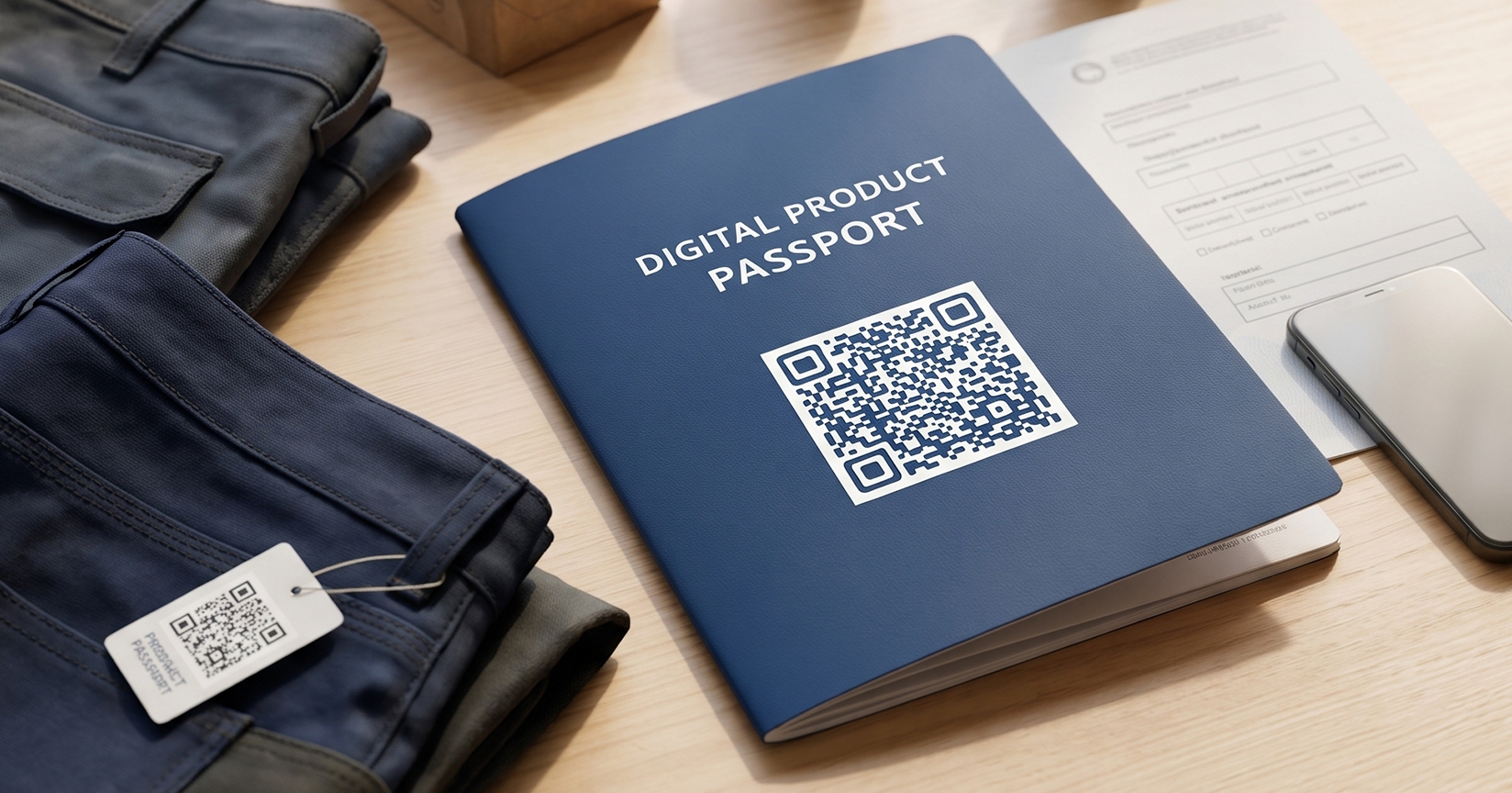
The Digital Product Passport is a digital collection of data about a product, component or material. Users can access relevant product information through, for example, a QR code or another digital data carrier.
The data that must be available depends on the product group and the applicable European regulations. This may include information about:
-
Origin and composition: where a product comes from and what materials it is made of.
-
Sustainability: information about a product’s environmental performance.
-
Repair and reuse: data that helps people use products for longer.
-
Recycling: information that supports better processing at the end of a product’s life.
Not every product will be subject to the same requirements immediately. The European rules are being developed in stages for different product groups.
Why is the Digital Product Passport being introduced?
With the Digital Product Passport, the European Union aims to make product information more accessible and reliable. This will give consumers, businesses, repairers and recyclers better insight into relevant product data.
This aligns with broader European ambitions for sustainability and the circular economy. Making product information more readily available makes it easier to make informed choices, repair products and reuse materials.
For businesses, this means product information will play an increasingly important role. What matters is not only the amount of data, but also its accuracy, completeness and how it is managed and shared.
When will the Digital Product Passport become mandatory?
The Digital Product Passport will not be introduced for all products at once. The European Union is working with different product groups and their corresponding regulations.
For certain batteries, the Digital Product Passport will become mandatory on 18 February 2027. For other product groups, such as textiles, aluminium, tyres and furniture, the requirements are being developed further in stages.
The exact requirements and implementation dates vary by product group. It is therefore important to keep track of developments and determine which rules apply to your products and organisation.
Reliable product data as a foundation
A digital product passport starts with reliable product information. Data must not only be available, but also well structured, up to date and, where necessary, exchangeable with other systems.
In practice, product information is often spread across different sources, such as ERP systems, supplier files and data pools. This makes it difficult to consistently work with the same complete set of data.
By collecting product information in one central place, structuring it and enriching it where necessary, you gain a clearer overview and greater control over your data. This creates a foundation for managing product data more efficiently and making it available for different uses.
A well-organised product data process can therefore also help you prepare for new product information requirements. After all, the Digital Product Passport involves more than simply making data available: it starts with how you organise that data within your organisation.
Prepare for what’s ahead
The Digital Product Passport is an important development in how product information is managed and shared. Although not all details have been finalised for every product group, it makes sense to gain insight into your current product data now.
What information do you have available? Where does it come from? How up to date and complete is it? And how easily can you bring together data from different sources?
Thinking about these questions in good time makes it easier to respond to new developments and future requirements.
Want to know how to gain more control over your product information?
With Pimmix, you can create a central place to collect, manage and enrich product data. This gives you a solid foundation for reliable product information, now and in the future.
21-10-2026
Reading time 4 minutes
 Blogs
Who are we? Get to know us.
The people behind Pimmix
Pimmix is a concept developed by Intermix, an internet partner that has been helping businesses grow with smart digital solutions since 2001. Based in Sliedrecht, a team of around 25 professionals works on innovative technical solutions every day. From developers and designers to project managers and support staff, everyone contributes to solutions that meet our customers’ real-world needs. Our experience has taught us that every organization works differently and faces its own challenges. That’s why we look beyond the technology. We listen, collaborate and advise on solutions that suit your processes and ambitions.
Product information that works for you
Product information plays an increasingly important role in business success. Customers expect complete, up-to-date and reliable product data, while organizations need to collect, manage and distribute that information from various sources.
That’s where Pimmix comes in.
With our PIM system, we help businesses bring product information together in one central place. You can import data from various sources, enrich and structure the information, and then make product data available to the channels you use. This gives you a clearer overview, helps you work more efficiently and gives you greater control over the quality and consistency of your product information.
Technology and personal support
At Pimmix, we believe good software is about more than just features. A solution should fit the way you work, grow with your organization and deliver tangible results. That’s why we combine technical expertise with a personal approach. We work with you, consider what your organization needs and help you make the most of opportunities in product information and digitalization.
Innovation never stands still. We continue to look for ways to make processes smarter and put technology, including AI, to practical use. Our goal is always to make product information management simpler and more effective.

Growing together
Whether you work with thousands of products or manage a large and complex range, good product information is the foundation of a strong digital presence. With the right structure and smart processes, you can not only work more efficiently but also better meet the expectations of customers and partners.
That’s what we at Pimmix are here to help with. Together, we’ll explore how your organization can make the most of its product information and prepare for the next step.
Curious what Pimmix can do for your organization?
14-10-2026
Reading time 2 minutes