
The EU digital product passport is coming
 21-10-2026
The way we handle product information is changing. The European Union is working to introduce the Digital Product Passport (DPP): a digital place where important information about a product will be accessible. The goal? Greater transparency, better traceability, and more sustainable use of products and materials.
What is the Digital Product Passport?
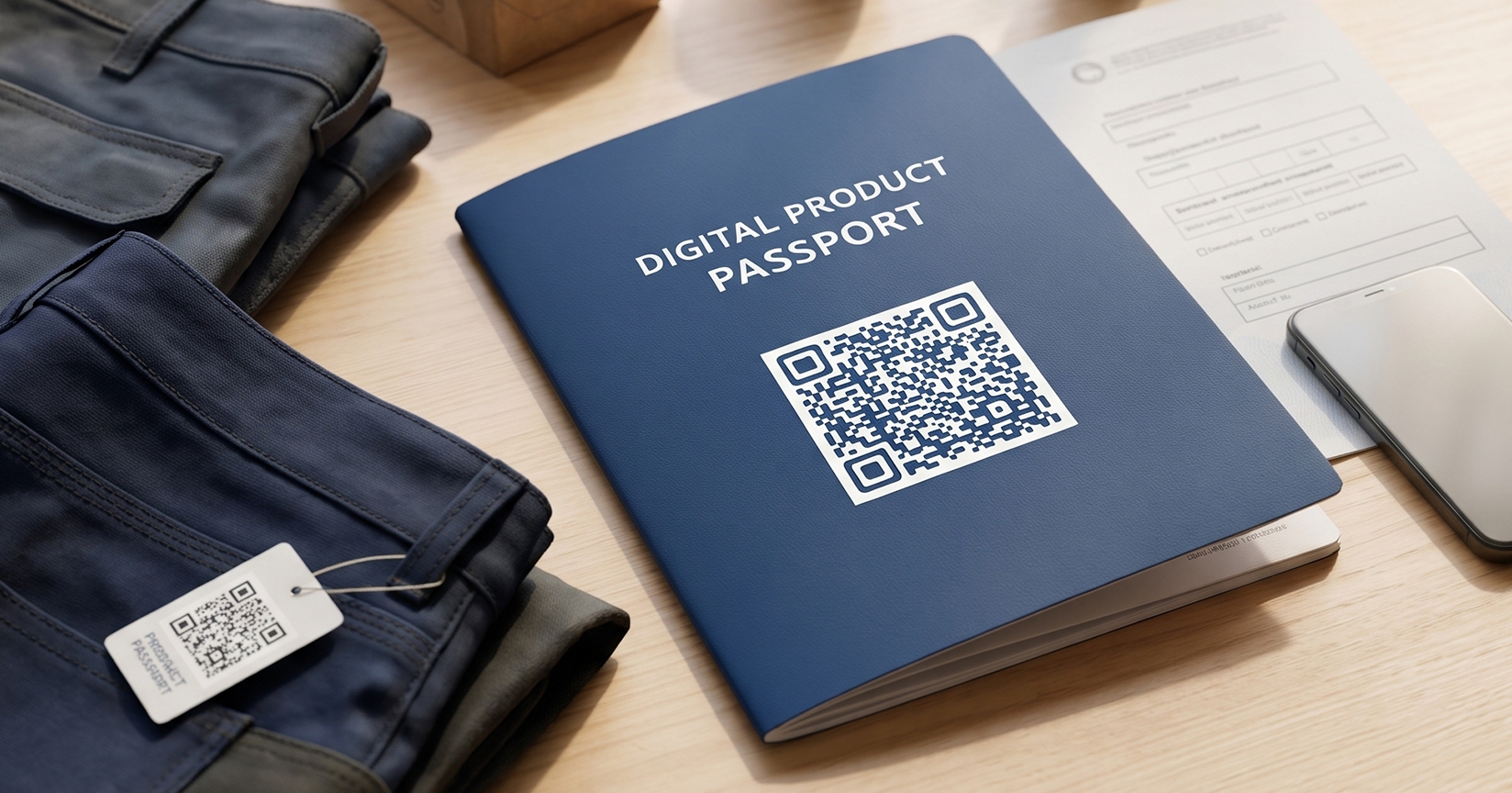
The Digital Product Passport is a digital collection of data about a product, component or material. Users can access relevant product information through, for example, a QR code or another digital data carrier.
The data that must be available depends on the product group and the applicable European regulations. This may include information about:
-
Origin and composition: where a product comes from and what materials it is made of.
-
Sustainability: information about a product’s environmental performance.
-
Repair and reuse: data that helps people use products for longer.
-
Recycling: information that supports better processing at the end of a product’s life.
Not every product will be subject to the same requirements immediately. The European rules are being developed in stages for different product groups.
Why is the Digital Product Passport being introduced?
With the Digital Product Passport, the European Union aims to make product information more accessible and reliable. This will give consumers, businesses, repairers and recyclers better insight into relevant product data.
This aligns with broader European ambitions for sustainability and the circular economy. Making product information more readily available makes it easier to make informed choices, repair products and reuse materials.
For businesses, this means product information will play an increasingly important role. What matters is not only the amount of data, but also its accuracy, completeness and how it is managed and shared.
When will the Digital Product Passport become mandatory?
The Digital Product Passport will not be introduced for all products at once. The European Union is working with different product groups and their corresponding regulations.
For certain batteries, the Digital Product Passport will become mandatory on 18 February 2027. For other product groups, such as textiles, aluminium, tyres and furniture, the requirements are being developed further in stages.
The exact requirements and implementation dates vary by product group. It is therefore important to keep track of developments and determine which rules apply to your products and organisation.
Reliable product data as a foundation
A digital product passport starts with reliable product information. Data must not only be available, but also well structured, up to date and, where necessary, exchangeable with other systems.
In practice, product information is often spread across different sources, such as ERP systems, supplier files and data pools. This makes it difficult to consistently work with the same complete set of data.
By collecting product information in one central place, structuring it and enriching it where necessary, you gain a clearer overview and greater control over your data. This creates a foundation for managing product data more efficiently and making it available for different uses.
A well-organised product data process can therefore also help you prepare for new product information requirements. After all, the Digital Product Passport involves more than simply making data available: it starts with how you organise that data within your organisation.
Prepare for what’s ahead
The Digital Product Passport is an important development in how product information is managed and shared. Although not all details have been finalised for every product group, it makes sense to gain insight into your current product data now.
What information do you have available? Where does it come from? How up to date and complete is it? And how easily can you bring together data from different sources?
Thinking about these questions in good time makes it easier to respond to new developments and future requirements.
Want to know how to gain more control over your product information?
With Pimmix, you can create a central place to collect, manage and enrich product data. This gives you a solid foundation for reliable product information, now and in the future.